
Description
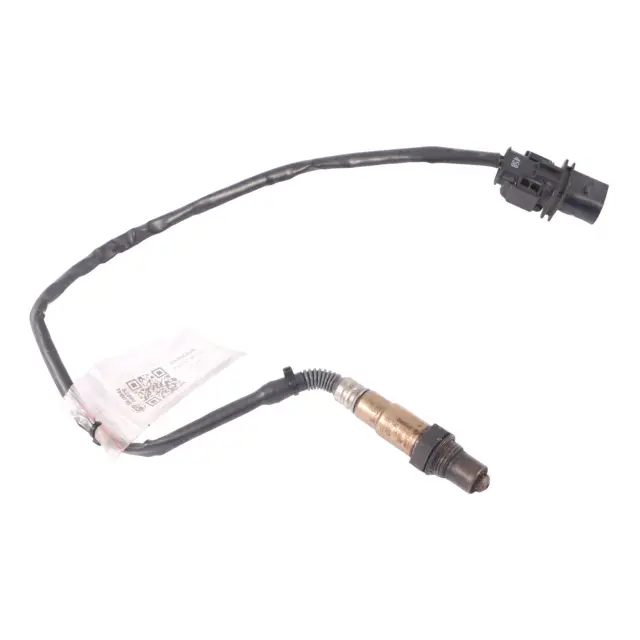
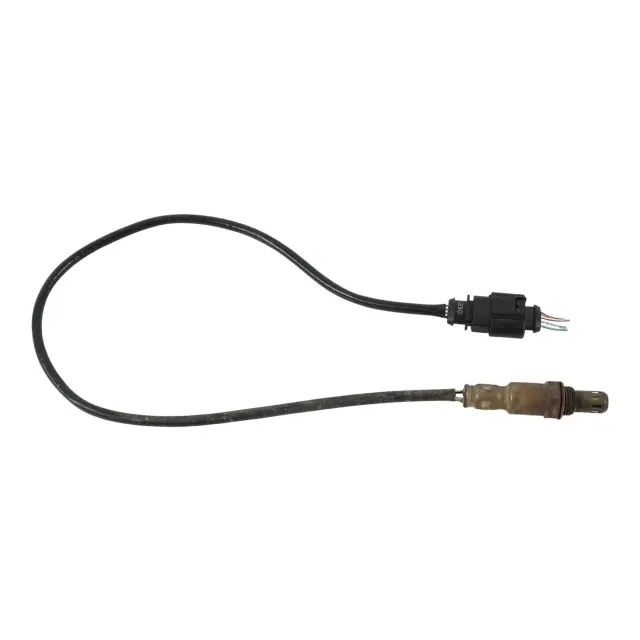
The Audi Q3 SE TDI Lambda Sensor is a component from the Lambda Sensors & O2 Sensors category, designed for precise mixture control in Audi diesel engines. A correctly selected lambda sensor stabilizes engine operation, supports proper exhaust system function, and helps maintain compliance with emission standards. This is a solution for users who expect a proven component with factory performance characteristics.
Specifications and technical data
- SKU: 03L906262B
- Mark: Audi
- Condition: Used
- OEM Part Number: 03L906262B
- Substitutable numbers: 03L906262B, 03L 906 262 B
- Category: Oxygen Sensors
Technical Characteristics of the Audi Q3 SE TDI Lambda Sensor
The lambda sensor in the Audi Q3 SE TDI is responsible for continuously measuring oxygen content in the exhaust gases and transmitting the signal to the engine control unit. This allows for fuel injection correction, idle stabilization, and maintaining optimal combustion parameters. A properly functioning O2 sensor contributes to:
- efficient operation of the injection system across a wide range of loads,
- smoother torque characteristics,
- reduction of excessive smoke and unwanted engine vibrations,
- protection of exhaust system components against thermal overload.
Selecting a sensor dedicated to a specific Audi Q3 SE TDI version ensures operational parameters consistent with the manufacturer’s specifications and facilitates the diagnosis of potential faults.
Benefits of Using an Original Audi O2 Sensor
Using a component from the range of original Audi solutions ensures the correct signal characteristics and compatibility with the factory engine control unit software. In practice, this means:
- stable readings across the full operating temperature range,
- proper cooperation with the onboard diagnostics system,
- a lower risk of fuel-air mixture related errors,
- easier interpretation of logs and live data when working with a diagnostic tester.
For workshops and users who approach servicing consciously, the ability to unambiguously identify the part by OEM number and interchangeable numbers is also important – this simplifies selecting the correct sensor for a specific vehicle configuration.
Why Consider a Used Audi Lambda Sensor
For components like O2 sensors, choosing a used component can be a sensible alternative to low-quality new replacements. A properly verified lambda sensor:
- retains its factory performance characteristics,
- allows for reduced service costs while maintaining correct engine parameters,
- is a good solution for phased repairs or comparative diagnostics,
- is suitable as a replacement part for vehicles used intensively.
Before installation, a standard diagnostic procedure is recommended – reading error codes, analyzing live data, and checking the electrical system to confirm that the lambda sensor is indeed the source of the problem, rather than other system components.
Selection and Compatibility with the Engine Control System
When selecting a lambda sensor for the Audi Q3 SE TDI, it is crucial to refer to the OEM part number and reference numbers to avoid issues with cable length, connector type, or signal characteristics. In practice, it is worth paying attention to:
- compatibility with the specific engine version and vehicle year,
- the type of engine control unit used and its software,
- the sensor’s location in the exhaust system (before or after emission control components),
- the condition of the wiring harness and the vehicle’s connector.
This approach minimizes the risk of repeated disassembly and speeds up the service process, which is important for both private users and professional workshops.
More Audi Lambda Sensors & O2 Sensors
If you are looking for other Audi Lambda Sensors & O2 Sensors suitable for various models of this brand, check out our dedicated category: Audi Lambda Sensors & O2 Sensors. Using filters by brand and category, you can easily narrow down the results to items that meet specific service requirements.
How to Safely Choose Used Engine Sensors and Electronics
When purchasing used sensors, it is advisable to know the basic principles of selection by OEM number, as well as to pay attention to hardware and software compatibility with the specific engine control unit. A detailed discussion of these issues, along with practical examples and answers to frequently asked questions, can be found in the guide: Used Automotive Electronics – Second-Hand ECU Modules and Sensors. This is a helpful source of knowledge for both mechanics and informed users planning to service their own car.
Reviews
There are no reviews yet.